
Call us now :08045800514
 Send Inquiry
 Send Inquiry
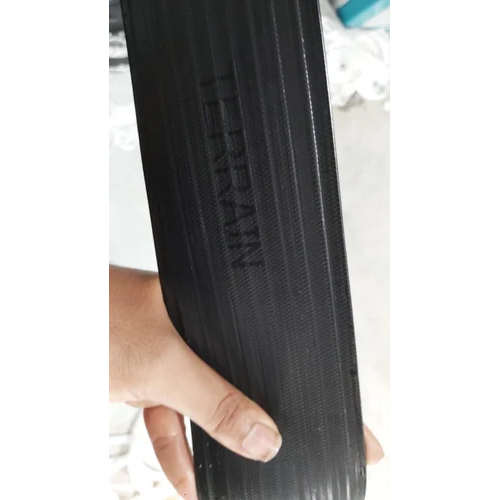
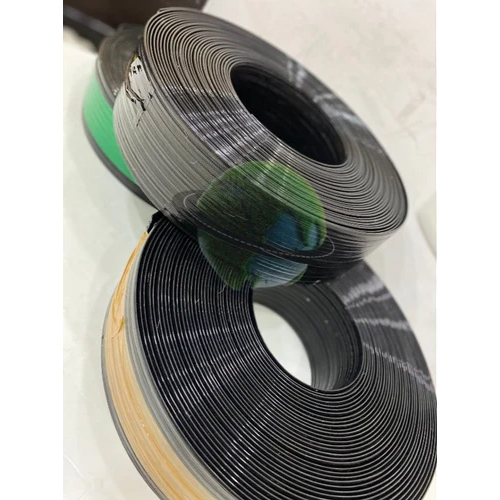
Geo strap
Price 280 INR/ Meter
Geo strap Specification
- Material
- PVC
- Size
- Customized
- Color
- Different Available
- Width
- Varies as per requirement
- Weight
- Lightweight
- Usage
- Commercial
- Application
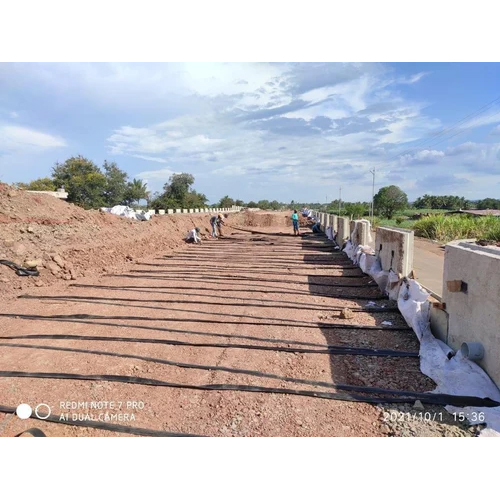
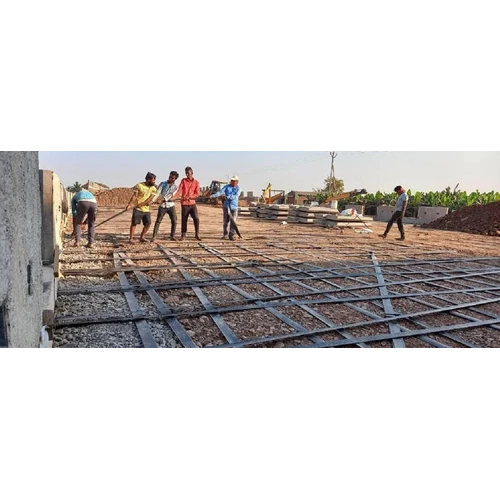
- Geogrid and Geocell Reinforcement
- Temperature Resistance
- Excellent
- Thickness
- Standard/Customized
- Packing Type
- Rolls
- Surface Finish
- Smooth
- Installation
- Easy and Quick
- Tensile Strength
- High
- UV Stability
- Excellent
- Elongation
- Low
Geo strap Trade Information
- Minimum Order Quantity
- 100 Meter
- Payment Terms
- Cash on Delivery (COD)
- Supply Ability
- 5000 Per Month
- Delivery Time
- 10 Days
- Main Domestic Market
- All India
About Geo strap
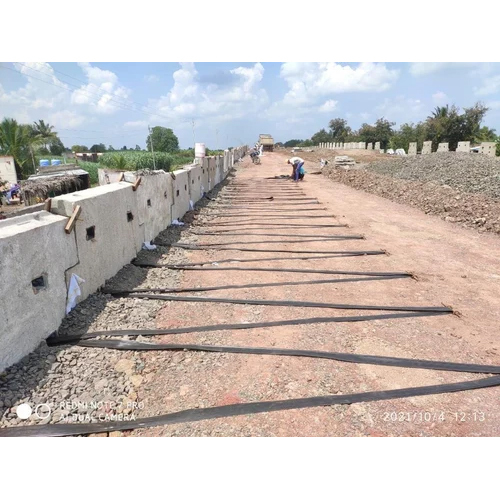
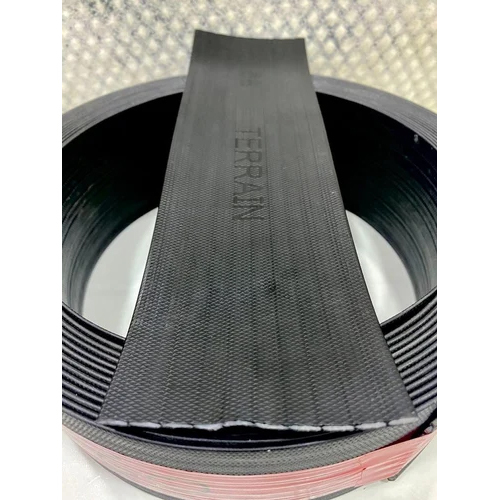
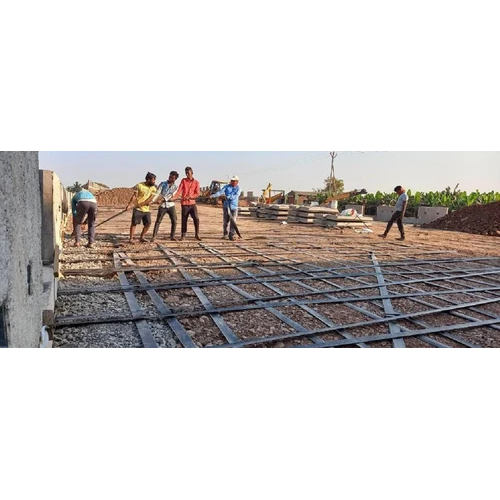
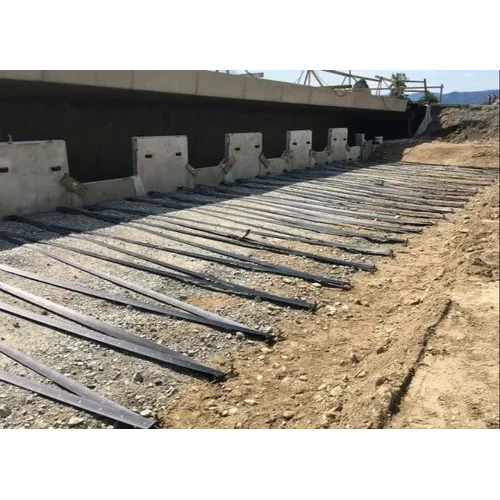
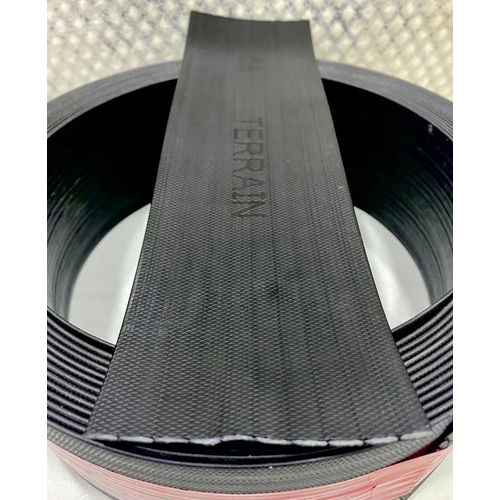
3mm Polymeric Geostrap is a geosynthetic material used for reinforcement in civil engineering and construction applications. These straps are made of high-strength polypropylene fibers that are woven together to form a strong and durable material. The straps are typically used to reinforce soil in embankments, retaining walls, and roadways. They are designed to improve the strength and stability of the structure, preventing failure and reducing the risk of damage. 3mm polymeric straps are resistant to UV radiation, chemicals, and biological degradation, making them ideal for use in harsh environmental conditions. The offered 3mm Polymeric Geostrap is easy to install and cost-effective, providing a reliable and long-lasting solution for soil reinforcement.
Specification
|
Brand |
Terrain Infratech |
|
Material |
polymeric coating on superior high tenacity polyester filament yarn |
|
Thickness |
2-3 mm |
|
Usage/Application |
Construction Area |
|
Fiber Type |
polyester yarn with polymer coating |
|
Pattern |
Plain |
|
Color |
Black |
|
Packaging Type |
Roll |
Engineered for Strength and Stability
Crafted with high tensile strength and low elongation, Geo straps provide dependable reinforcement for geogrid and geocell installations. Their design ensures minimal stretching and excellent load transfer, making them an ideal choice for large-scale stabilization projects.
Adaptable for Diverse Applications
With customization options for thickness, width, and size, Geo straps are suitable for varied site requirements. The lightweight PVC construction enables quick installation and easy transport, streamlining construction workflows and ensuring flexibility across projects.
Weather-Resistant and Long-Lasting
Geo straps are engineered to withstand extreme temperatures and prolonged UV exposure. This exceptional resistance ensures longevity and sustained performance, even in the most demanding outdoor environments, making them a preferred choice in India's diverse climates.
FAQ's of Geo strap:
Q: How are Geo straps installed for geogrid and geocell reinforcement?
A: Geo straps are supplied in rolls and can be easily unrolled and positioned according to your reinforcement design. Their lightweight nature and smooth surface finish facilitate quick installation, reducing site labor and downtime.Q: What makes the tensile strength of Geo straps particularly beneficial for commercial usage?
A: The high tensile strength of Geo straps ensures they can withstand significant loads without breaking or deforming, making them ideal for demanding commercial reinforcement and infrastructure applications.Q: When should I consider using customized sizes or thicknesses for Geo straps?
A: Customized sizes or thicknesses should be chosen when standard dimensions do not meet your project's specific geogrid or geocell reinforcement needs. Customization allows for precise integration and optimal performance in unique site conditions.Q: Where can I source Geo straps in India?
A: Geo straps are widely available across India through authorized distributors, manufacturers, suppliers, and traders, ensuring you can procure them conveniently for your commercial projects.Q: What is the process for ordering Geo straps with specific dimensions?
A: To order customized Geo straps, specify your required thickness, width, size, and color to your chosen supplier or manufacturer. They will accommodate these preferences during production and prepare them for delivery in convenient roll packaging.Q: How does the excellent temperature and UV resistance benefit long-term projects?
A: The superior resistance to UV rays and extreme temperatures ensures Geo straps maintain their mechanical properties and performance over time, providing reliable, long-lasting reinforcement in exposed or harsh environmental conditions.Q: What are the main usage advantages of Geo straps in geotechnical construction?
A: Geo straps provide robust, lightweight, and easy-to-install reinforcement. Their adaptability and strength make them suitable for stabilizing soil, enhancing geogrid and geocell structures, and improving the lifespan of engineered landscapes.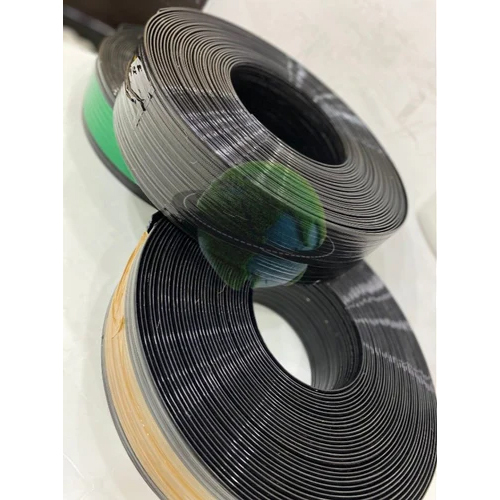
Tell us about your requirement

Price:
Quantity
Select Unit
- 50
- 100
- 200
- 250
- 500
- 1000+
Additional detail
Mobile number
Email

More Products in Polymeric Geostrap Category
Black Polymeric Geostraps (Geostraps for RS-RE Wall)
Price 18 INR / Foot
Minimum Order Quantity : 1000 Feet
Weight : Approx. 250500 g/m (depending on type and width)
Size : As required (customized for wall design requirements)
Material : Other, polymeric coating on superior high tenacity polyester filament yarn
Application : Construction Area

 Send Inquiry
Our Products
- Rockfall Protection
- Uniaxial And Biaxial Geogrids
- Non Woven Geo Bags
- Drainage Geocomposite
- Soil Erosion Controls
- Geocell Panel
- Geotextile Fabric
- Gabion Box
- Ocean Geogrid
- Slope Erosion Protection
- Polymeric Geostrap
- EPDM Pads
- HDPE Pond Liner
- Cavity Connector For Reinforced Soil Walls
- Anti Glare Barriers
- Coir Pith Powder
- Soil Anchors
- Reinforced Soil Solution


4th Floor, 443-444, Vipul Trade Center, Gurugram - 122018, Haryana, India

Mr Tapish Gautam
(Director)
Mobile :08045800514
 Send Inquiry
 Send SMS
 Call Me Free
Developed and Managed by Infocom Network Private Limited.
 English
 Spanish
 French
 German
 Italian
 Chinese (Simplified)
 Japanese
 Korean
 Arabic
 Portuguese